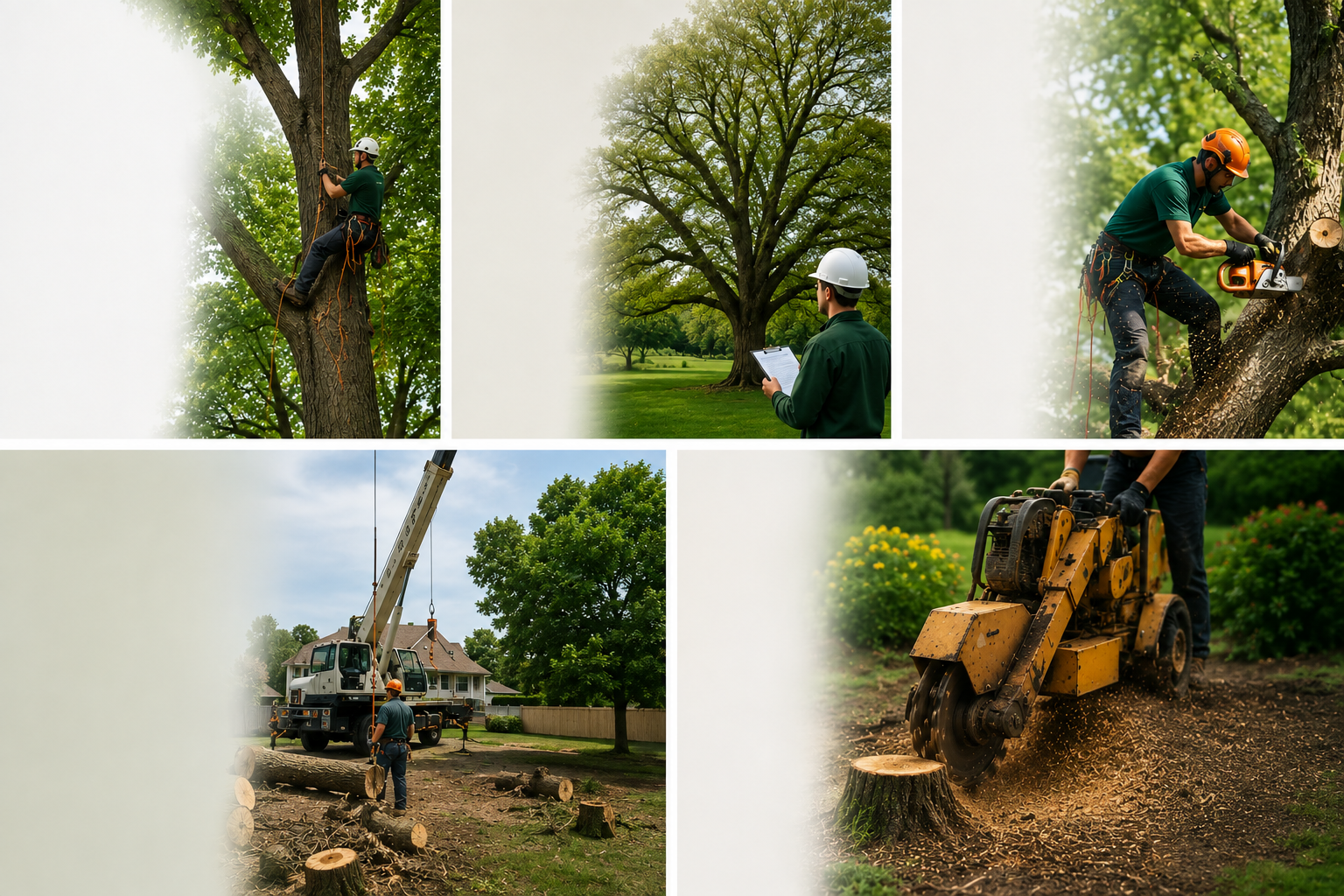
Removing a mature tree can dramatically change the appearance of a yard. More sunlight may reach the ground, previously shaded areas become visible, and new landscaping opportunities emerge. Yet the remaining stump can prevent homeowners from fully using that space. Tree stump removal is often an important step in transforming a recently cleared area into a functional and attractive part of the property.
Start With Your Future Landscape Plans
Before clearing a stump, think about how the area will be used.
Different landscaping goals require different levels of ground preparation.
Creating a New Lawn
If the goal is to establish grass, the remaining wood should be reduced sufficiently to allow proper soil preparation.
The area may need fresh soil, grading, and attention to drainage.
Because underground roots can continue decomposing, the surface may settle gradually.
Tree stump removal creates the initial opportunity to restore a smoother lawn.
Establishing a Garden Bed
Garden beds require suitable soil depth and adequate growing conditions.
A remaining stump can obstruct planting and limit root development.
However, grinding alone may leave underground roots that interfere with certain planting arrangements.
Assessing the intended plants and their rooting requirements helps determine how much clearing is necessary.
Choosing an Appropriate Removal Approach
Stump size and future land use influence the preferred method.
Surface-Level Grinding
Grinding reduces the visible stump and some material below ground level.
It usually causes less disturbance than excavating the entire stump and major roots.
For many lawn restoration projects, this approach can provide a practical starting point.
Excavation for Extensive Changes
Some projects require more complete removal of woody material.
For example, major hardscaping or construction may need deeper excavation and proper ground preparation.
Tree stump removal should therefore be planned around the intended use of the site rather than appearance alone.
What Happens to the Remaining Roots?
Roots do not disappear immediately when a stump is ground down.
Many remain underground and gradually decompose.
The decomposition process varies according to tree species, root size, soil moisture, and environmental conditions.
As woody material breaks down, small depressions may develop.
Homeowners should monitor the area and add suitable soil when needed.
Managing Soil After Stump Clearing
Healthy soil is essential for successful landscape restoration.
Removing Excess Wood Debris
Grinding often produces a mixture of wood chips and soil.
Although wood chips can be useful as surface mulch in appropriate locations, excessive quantities mixed into planting soil may temporarily affect nitrogen availability during decomposition.
Removing surplus debris can help prepare the area for new growth.
Restoring Ground Levels
After tree stump removal, the remaining depression should be filled and graded appropriately.
Use suitable soil for the intended landscape application.
Avoid leaving loose material that may settle unevenly or create drainage problems.
Supporting New Plant Growth
New grass and plants need appropriate moisture, sunlight, and soil conditions.
Watering practices should reflect the season and the needs of the selected vegetation.
Regular observation during establishment helps identify areas requiring additional attention.
Common Mistakes to Avoid
One frequent mistake is assuming that every stump must be completely excavated.
In some situations, grinding provides sufficient clearance with less disturbance.
Another mistake is planting a replacement tree directly into a hole containing substantial old woody material.
Remaining roots, soil conditions, and the space available for new root development should all be considered.
Homeowners should also identify buried utilities and irrigation components before beginning any ground-disturbing work.
For more information about tree stump removal, understanding the relationship between stump clearing and future landscaping is especially useful.
Additional local stump removal information can support homeowners researching suitable approaches.
Turning an Empty Space Into an Opportunity
Once the stump area has been restored, homeowners can rethink the surrounding landscape.
The space might become part of a lawn, a planting area, or a pathway.
It may also provide an opportunity to improve drainage, address uneven ground, or select vegetation better suited to the available sunlight.
A thoughtful design considers not only immediate appearance but also future maintenance.
Conclusion
Tree stump removal is more than clearing an unwanted piece of wood. It can be the first step toward restoring soil, improving yard accessibility, and creating new landscaping possibilities.
By choosing an appropriate clearing method and preparing the ground carefully, homeowners can make better use of their outdoor space. With patience and proper restoration, an area once occupied by a stump can become a healthy, attractive, and practical part of the landscape