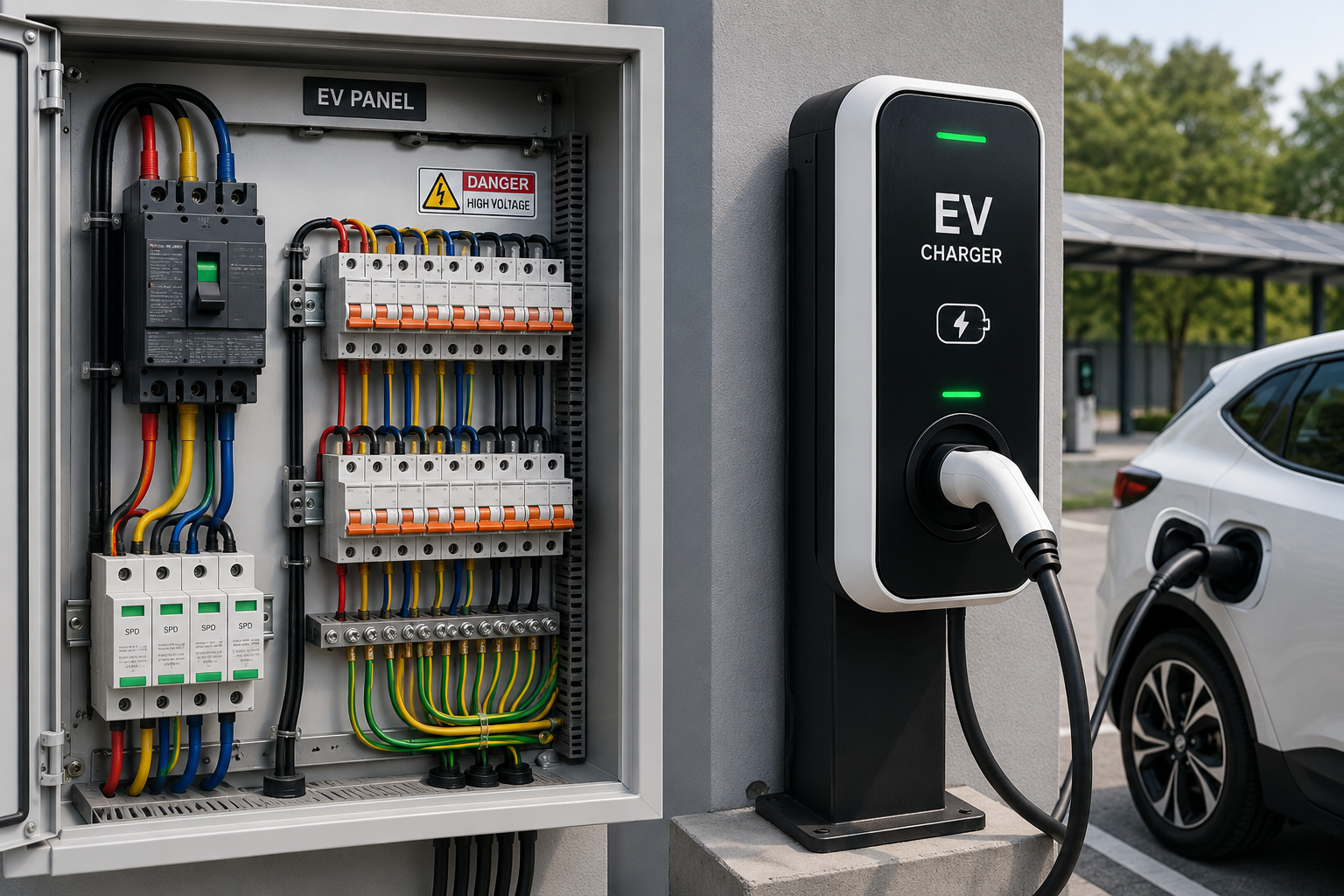
Every property requires an electrical distribution arrangement suited to its size, occupancy, and electrical demand.
Whether constructing a new building or modifying an existing property, the electrical panel plays an essential role in distributing power to individual circuits.
Searching for electrical panel installation near me is often part of a larger project involving construction, renovations, or changes to electrical infrastructure.
A successful installation begins with proper planning and a clear understanding of the property’s requirements.
Why Electrical Panel Planning Matters
Electrical panels organize the distribution of electricity throughout a building.
They contain protective devices associated with individual circuits and help electricians manage electrical connections safely.
An appropriately designed panel arrangement supports routine operation, maintenance, and future electrical modifications.
However, selecting a panel without evaluating the overall electrical system can create unnecessary limitations.
Starting With the Property’s Electrical Requirements
New Construction Considerations
New buildings require electrical systems designed around expected loads and applicable regulations.
Lighting, heating, cooling, cooking equipment, and other electrical demands influence the distribution arrangement.
The panel location and circuit layout should be considered during the early construction stages.
Existing Property Modifications
Installing a panel in an existing building may involve different challenges.
Available space, existing wiring, electrical service arrangements, and accessibility can affect the project.
Homeowners researching electrical panel installation near me should explain whether their project involves a new installation, an additional distribution panel, or replacement of existing equipment.
Choosing an Appropriate Installation Location
Electrical panels must be installed in locations that meet applicable clearance, accessibility, and environmental requirements.
Accessibility and Working Space
Electricians need adequate working space to inspect, operate, and maintain electrical equipment.
Panels should not be placed where stored items, permanent fixtures, or other obstacles prevent safe access.
Environmental Conditions
Moisture, excessive heat, physical damage, and unsuitable surrounding conditions can affect electrical equipment.
The selected location should comply with applicable rules and the equipment’s installation requirements.
Understanding the Professional Installation Process
Electrical Design and Preparation
Before installation, the electrician evaluates the required electrical capacity and circuit arrangements.
This planning stage may include load calculations, equipment selection, permit requirements, and coordination with other construction activities.
Panel Mounting and Circuit Connections
Qualified personnel install the panel enclosure and complete the required electrical connections.
Conductors and protective devices must be suitable for the intended circuits and electrical conditions.
Correct grounding and bonding arrangements are also essential.
Inspection and Verification
After installation, the system must undergo the required checks and inspections.
Testing helps identify installation problems before the electrical system enters regular operation.
Circuit identification and documentation support future troubleshooting.
Important Safety Considerations
Electrical panel installation involves hazardous electrical conditions.
Improper connections, incorrect protective devices, and unsuitable conductor arrangements can create serious risks.
These tasks should be performed by appropriately qualified professionals.
A homeowner should never remove protective covers or attempt modifications to energized electrical equipment.
When searching for electrical panel installation near me, electrical qualifications and code compliance should be central selection criteria.
Preparing for an Installation Appointment
Property owners can make the process smoother by collecting relevant information before the initial assessment.
Useful details include the building’s approximate age, existing electrical capacity if known, renovation plans, and any recurring electrical concerns.
Clear access to the electrical equipment also helps professionals conduct an efficient inspection.
If construction is underway, coordinating electrical work with other activities may reduce scheduling complications.
Selecting Local Electrical Assistance
Professional communication is an important indicator of a well-organized installation process.
Ask how electrical capacity will be assessed, whether permits are required, and what inspections will follow completion.
A local electrical installation location may be useful when identifying nearby assistance.
Conclusion
Electrical panel installation requires much more than securing equipment to a wall.
It involves evaluating electrical loads, planning circuit arrangements, selecting a compliant location, and verifying the completed installation.
For property owners researching electrical panel installation near me, professional planning is the foundation of dependable electrical distribution.
A properly designed system can support everyday electrical needs while providing a practical basis for future improvements.