Decorating a home can be an enjoyable way to express creativity. Colours, textures, artwork, and everyday accessories all contribute to the atmosphere of a living space.
However, creating a welcoming environment doesn’t require purchasing entirely new belongings.
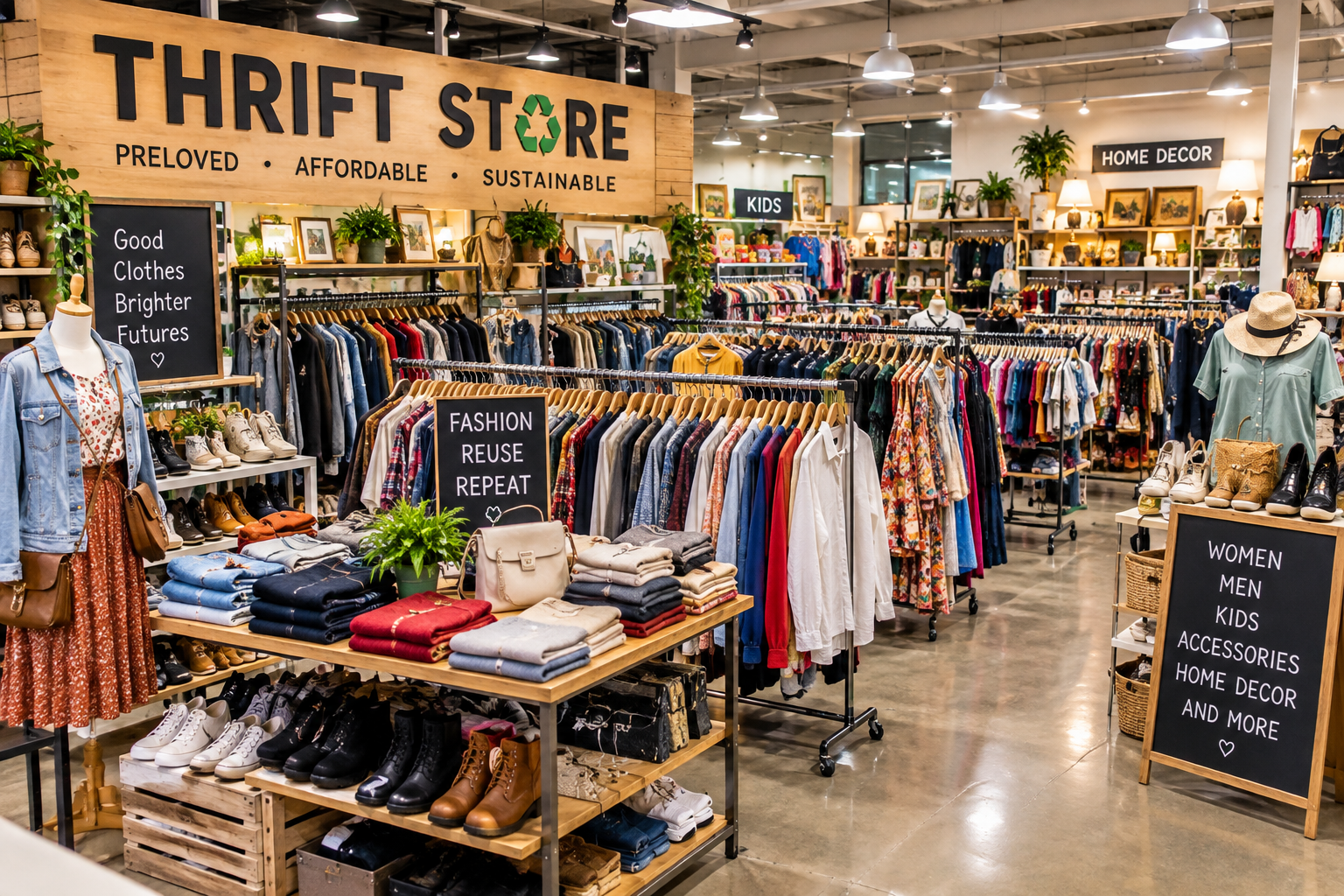
Exploring a thrift store for household items can encourage imaginative decorating choices while helping useful objects remain in circulation.
The most rewarding approach combines personal style, practical planning, and careful selection.
Why Sustainable Decorating Matters
Home accessories and furnishings require materials, energy, and transportation during production.
Extending the useful life of existing objects can help reduce demand for newly manufactured alternatives.
Second-hand decorating also encourages people to appreciate the character of belongings that might otherwise be overlooked.
Reuse Before Replacing
Before changing a room, examine what you already own.
A decorative object might work better in another location, while a picture frame could display different artwork.
Rearranging existing belongings can refresh a space without adding unnecessary clutter.
Find Inspiration in Pre-Loved Household Objects
A thrift store for household items can inspire decorating ideas for different areas of the home.
Rather than searching only for specific objects, consider the functions, colours, and textures you want to introduce.
Give Glassware a Decorative Purpose
Interesting glass containers can become attractive display pieces.
A suitable vase might hold dried flowers, while a decorative jar could organize non-food accessories.
Inspect glass carefully for chips, cracks, and unstable bases.
Avoid using unidentified vintage glassware for food or beverages when its safety is uncertain.
Create Personalized Wall Displays
Second-hand picture frames can help showcase photographs, artwork, and meaningful memories.
Combining different frame shapes can create visual interest.
For a coordinated arrangement, consider using a consistent colour palette or repeating a particular material.
Check hanging hardware before installation.
Introduce Natural Textures
Woven baskets, wooden accents, and suitable fabric accessories can make interiors feel warmer.
Natural-looking textures work particularly well when combined with simple furniture and uncluttered surfaces.
Choose belongings that are clean, structurally sound, and easy to maintain.
Decorate One Room at a Time
Trying to redesign an entire home at once can make decorating decisions overwhelming.
A room-by-room approach provides greater clarity.
Refresh the Living Room
Start with the areas people notice most.
A decorative tray, framed artwork, or thoughtfully arranged shelf can introduce personality.
Choose accessories that complement existing furniture rather than competing with it.
Improve Bedroom Comfort
Bedrooms often benefit from calm colours and simple arrangements.
Small organizers, decorative frames, and carefully selected accessories can create a comfortable atmosphere.
Avoid placing heavy or unstable objects above sleeping areas.
Add Character to the Entryway
An entryway creates the first impression of a home.
A suitable basket, wall decoration, or organizer can improve its appearance and function.
Keep pathways clear and avoid introducing objects that create tripping hazards.
Evaluate Second-Hand Decorating Finds
A thrift store for household items may offer interesting objects, but appearance should never be the only consideration.
Check Quality and Condition
Inspect wood for moisture damage and unstable joints.
Examine ceramics and glass for cracks.
For fabric accessories, look for persistent odours, stains, or signs of pests.
Avoid objects that cannot be cleaned or used safely.
Think About Long-Term Suitability
Consider whether a decorative piece will still appeal to you after the initial excitement fades.
Ask whether it complements your existing belongings and fits your available space.
This helps prevent unnecessary accumulation.
Explore Local Household Thrift Shopping
If you’re looking for decorating inspiration in London, Ontario, consider exploring a local household thrift shopping location.
Bring measurements and photographs of your rooms to help evaluate potential additions.
Keep an open mind, since available second-hand selections may change between visits.
Conclusion
A thrift store for household items can inspire sustainable decorating ideas that combine creativity with practical reuse.
By selecting suitable materials, inspecting objects carefully, and decorating with a clear purpose, shoppers can create spaces that feel welcoming and individual.
Thoughtful home decorating isn’t about collecting more belongings. It’s about making meaningful choices that improve the spaces you use every day.