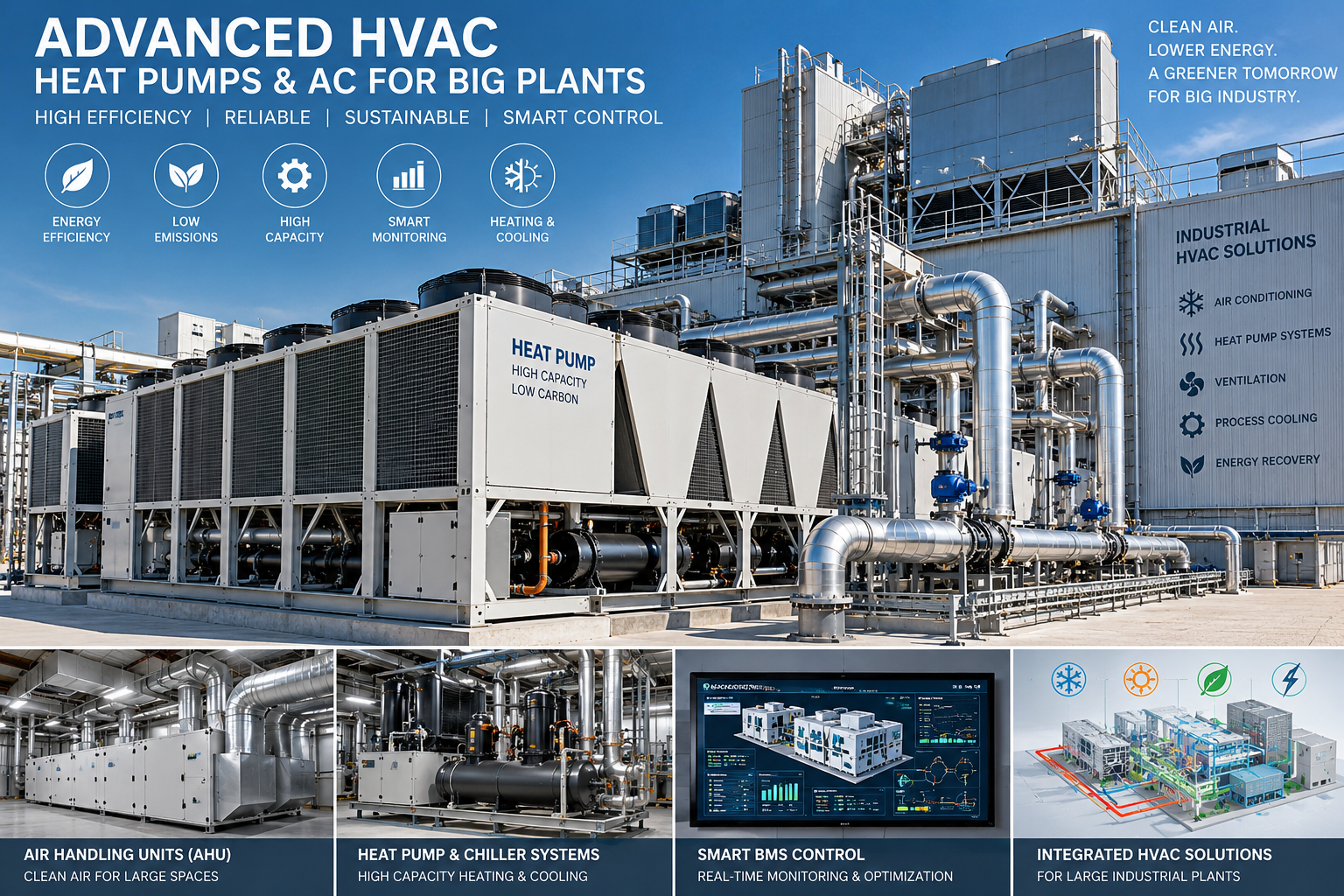
Heating, ventilation, and air conditioning equipment plays an important role in maintaining comfortable indoor environments. Whether temperatures rise during summer or fall below freezing in winter, dependable equipment helps regulate indoor conditions. Regular hvac system maintenance supports reliable operation and reduces the likelihood of avoidable equipment problems.
Residential HVAC systems contain mechanical, electrical, and airflow components that experience wear through regular use. Dust accumulation, restricted airflow, and aging parts can gradually influence performance.
Understanding preventive maintenance helps homeowners protect their equipment while maintaining comfortable indoor temperatures.
Why HVAC System Maintenance Should Be a Priority
Preventive care offers several advantages for homeowners who depend on heating and cooling equipment throughout the year.
Maintaining Reliable Temperature Control
Heating and cooling systems must respond accurately to changing indoor temperatures.
When filters become clogged or mechanical components deteriorate, equipment may struggle to maintain thermostat settings.
Regular inspections help identify conditions that interfere with normal operation.
Supporting Efficient Equipment Operation
Restricted airflow and dirty heat-transfer surfaces can increase the effort required to heat or cool a home.
Routine maintenance helps maintain appropriate operating conditions.
Although efficiency improvements depend on equipment condition, preventive care can reduce unnecessary energy consumption.
Identifying Problems Before Breakdowns
Small mechanical issues can develop gradually without immediately interrupting operation.
Routine inspections may reveal worn components, loose connections, or drainage problems before they become serious.
Essential HVAC Maintenance Tasks for Homeowners
Some maintenance responsibilities can be completed without specialized technical knowledge.
Inspecting Air Filters
Filters capture airborne particles before they circulate through HVAC equipment.
As particles accumulate, airflow resistance can increase.
Homeowners should inspect filters regularly and follow manufacturer recommendations for cleaning or replacement.
Keeping Supply and Return Vents Clear
Blocked vents can interfere with proper air circulation.
Furniture, curtains, and household objects should not obstruct airflow pathways.
Maintaining clear vents helps distribute conditioned air more effectively.
Monitoring Thermostat Performance
A thermostat regulates heating and cooling operation.
Unexpected temperature fluctuations or unusual cycling patterns may indicate thermostat or equipment problems.
Checking settings and battery condition can help identify simple issues.
Professional HVAC System Maintenance Procedures
Professional inspections provide a more detailed assessment of equipment condition.
Electrical Component Inspection
HVAC systems rely on electrical connections, motors, switches, and control circuits.
Qualified technicians can inspect these components for deterioration or abnormal operation.
Airflow and Mechanical Evaluation
Fans, blowers, coils, and ductwork influence system performance.
Technicians may evaluate airflow restrictions, mechanical wear, and operating conditions.
Drainage and Moisture Inspection
Cooling equipment removes moisture from indoor air.
Blocked condensate drains can contribute to water accumulation and property damage.
Inspecting drainage pathways helps reduce these risks.
Heating Safety Assessment
Fuel-burning heating systems require appropriate combustion and ventilation conditions.
Qualified technicians can evaluate relevant safety controls and venting components.
Creating a Seasonal HVAC Maintenance Schedule
Heating and cooling equipment faces different demands throughout the year.
Spring Preparation
Spring provides an opportunity to prepare cooling equipment for warmer temperatures.
Homeowners can inspect filters, clear outdoor debris, and arrange professional cooling inspections.
Summer Monitoring
During periods of heavy cooling demand, unusual sounds, weak airflow, or inconsistent temperatures should receive attention.
Keeping outdoor equipment unobstructed supports normal heat transfer.
Autumn Preparation
Before winter, heating equipment should be inspected for safe and dependable operation.
Professional attention is especially important for fuel-burning systems.
Winter Care
During colder weather, homeowners should monitor heating performance and maintain unobstructed airflow.
Outdoor heat pump equipment should remain clear of excessive snow and ice.
Homeowners seeking professional HVAC maintenance in Ottawa can arrange seasonal inspections according to their equipment requirements.
Common Maintenance Mistakes to Avoid
Ignoring unusual operating noises can allow mechanical problems to worsen.
Delaying filter replacement may restrict airflow, while blocking vents can interfere with temperature distribution.
Homeowners should also avoid attempting unfamiliar electrical, refrigerant, or combustion-related repairs.
Conclusion
HVAC system maintenance is an important part of maintaining dependable indoor comfort throughout the year.
Regular filter care, clear airflow pathways, seasonal inspections, and timely repairs help protect equipment performance.
By following a consistent maintenance routine, homeowners can reduce avoidable interruptions and support the long-term reliability of their heating and cooling systems.